
Why “Less Is More” in Hotel Sales Proposals
(And How It Wins More Business)
February 11 ,2026
That’s why “less is more” isn’t just a design principle – it’s a sales strategy. Planners don’t need everything about your hotel; they need the right essentials clearly presented. So how do you decide what stays and what goes? Read on to find out more.
1. Meeting Planners Are Busy – and They Want Clear, Fast Answers
They’re balancing multiple venues, comparing proposals side by side, and often making decisions under tight timelines. Planners want the key decision factors first – not buried in paragraphs of promotional content.
2. Put the Essentials Front and Center
- Room blocks & rates
- Event dates and availability
- Meeting & event space details
- Key venue highlights (location, amenities, restaurants)
These are the elements planners use to immediately rule a venue in or out. That means your proposal should:
- Give them the essentials up front
- Use clear headings, bullet points and tables
- Avoid long narrative copy that distracts from the key facts
In fact, lengthy proposals with unnecessary details can overwhelm and even lose business. One hotel sales analysis highlights that proposals overloaded with irrelevant content risk confusing planners and hiding the information they actually need.

3. Less Clutter, More Confidence
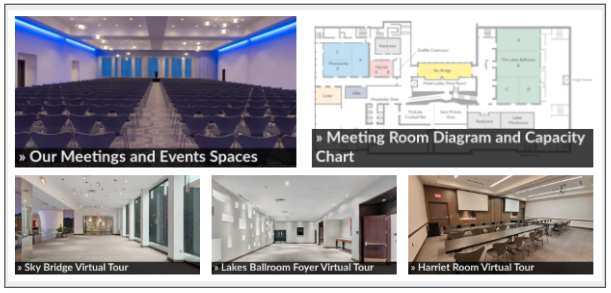
Instead of including the full catalog of your services in the main document, link out to supporting resources such as:
- Floor plans
- Catering menus
- Full website or culinary pages
- Interactive virtual tours
These linked assets keep your core proposal succinct while still giving planners access to everything they might need. Planners often value capacity charts, floor diagrams, room measurements, and virtual tours—but only if they’re easy to find and relevant. (source)
4. Highlight What Sets You Apart (Without Overload)
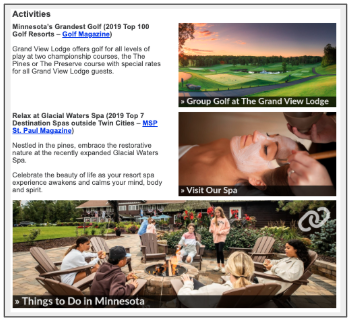
- Location advantages (near airports, walkable districts, unique destination appeal)
- Restaurants & food + beverage strengths
- Amenities that support meetings (high-speed Wi‑Fi, fitness/wellness, AV capabilities)
According to recent surveys, planners are increasingly interested in physical characteristics and amenities, like food and beverage and adaptable spaces, that help deliver event objectives.
Just remember: these highlights should be concise and contextual, not a long list of every feature your property offers.
5. Better Proposals = Better Outcomes
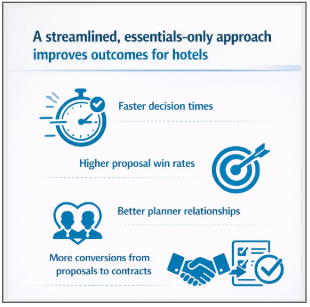
A streamlined, essentials-only approach doesn’t just make life easier for planners – it improves outcomes for hotels too:
- Faster decision times
- Higher proposal win rates
- Better planner relationships
- More conversions from proposals to contracts
Research also shows that proposals with engaging supporting media, like images and videos, can be up to 32% more likely to close when used strategically rather than redundantly. (salesandcatering.com)
Meeting planners are time‑pressed, detail‑focused professionals who want clarity over complexity. A proposal that:
- Leads with the essentials
- Keeps narrative to a minimum
- Provides clear links to additional resources
- Highlights what makes your property special
will cut through the noise and make their job easier—while boosting your chances of winning the business.
UpMail helps you cut the clutter, showcase the essentials, and make every proposal count.

Creative Year-End Email Ideas for Hotels: Stand Out This Holiday Season
Your best hotel leads are the ones you already have. See how nurturing past inquiries through thoughtful follow-ups and tailored content, drives faster conversions and repeat bookings.

Turning Past Inquiries into Future Bookings: The Art of Nurturing Hotel Leads
Your best hotel leads are the ones you already have. See how nurturing past inquiries through thoughtful follow-ups and tailored content, drives faster conversions and repeat bookings.
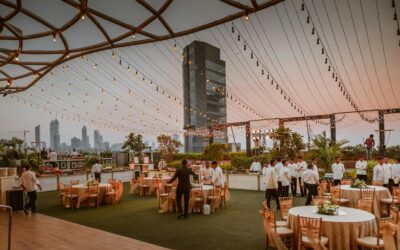
Hotel Event Servicing Made Simple with UpMail
Streamline your hotel event servicing with UpMail’s ready-to-use templates. From pre-event communication to post-event follow-ups, ensure consistent, professional, and efficient client interactions that build trust and encourage repeat business.